Characters of the Shahnameh
Heroes, kings, demons, and the women whose choices set the epic in motion. Each figure links to the artworks, stories, and essays that reinterpret them.
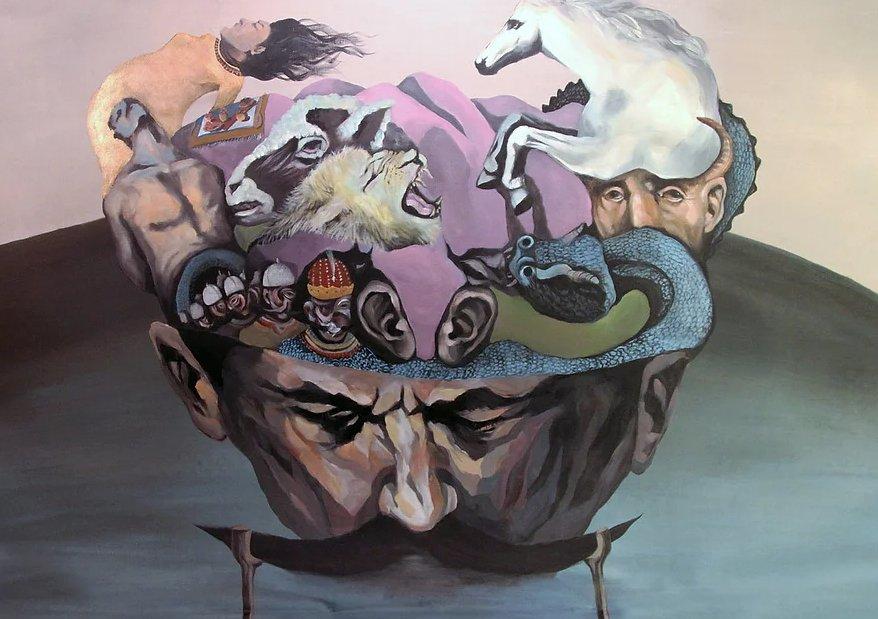
Rostam The Champion
Rostam, the legendary hero of Ferdowsi’s Shahnameh and an enduring symbol of Iranian national identity, embodies unparalleled strength, courage, and moral integrity. Bearing the epithet pil-tan (“elephant-bodied”) for his immense power and stature, he stands as the mightiest champion of Iran, defending the realm through countless trials. His unwavering loyalty to his often ambiguous suzerain, Kay Kāvus, reflects the complex bond between heroism and duty, as Rostam serves both as protector of the throne and moral conscience of the kingdom.
All Characters
24 figures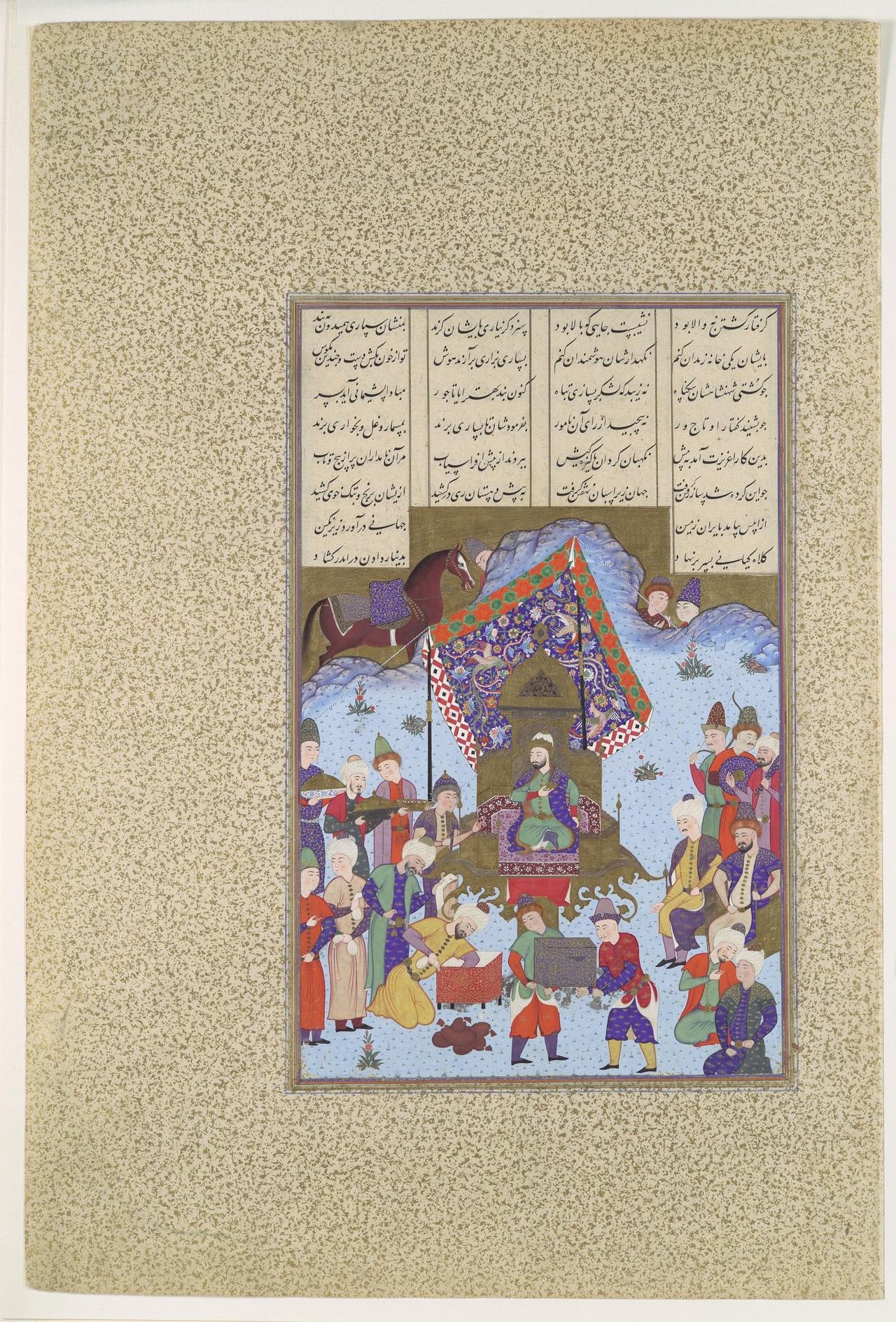
Afrasiyab, the legendary king of Turan in Ferdowsi’s Shahnameh, is one of the epic’s most powerful and complex figures. A descendant of Tur, son of Feridun, Afrasiyab is both kin and eternal enemy to the kings of Iran, embodying the tragic cycle of conflict between the two nations. Renowned as a fierce warrior and cunning strategist, he wages countless wars against Iran, driven by ambition, vengeance, and fate. Though often portrayed as a villain, Afrasiyab’s character is layered with depth — capable of generosity and remorse as well as cruelty.
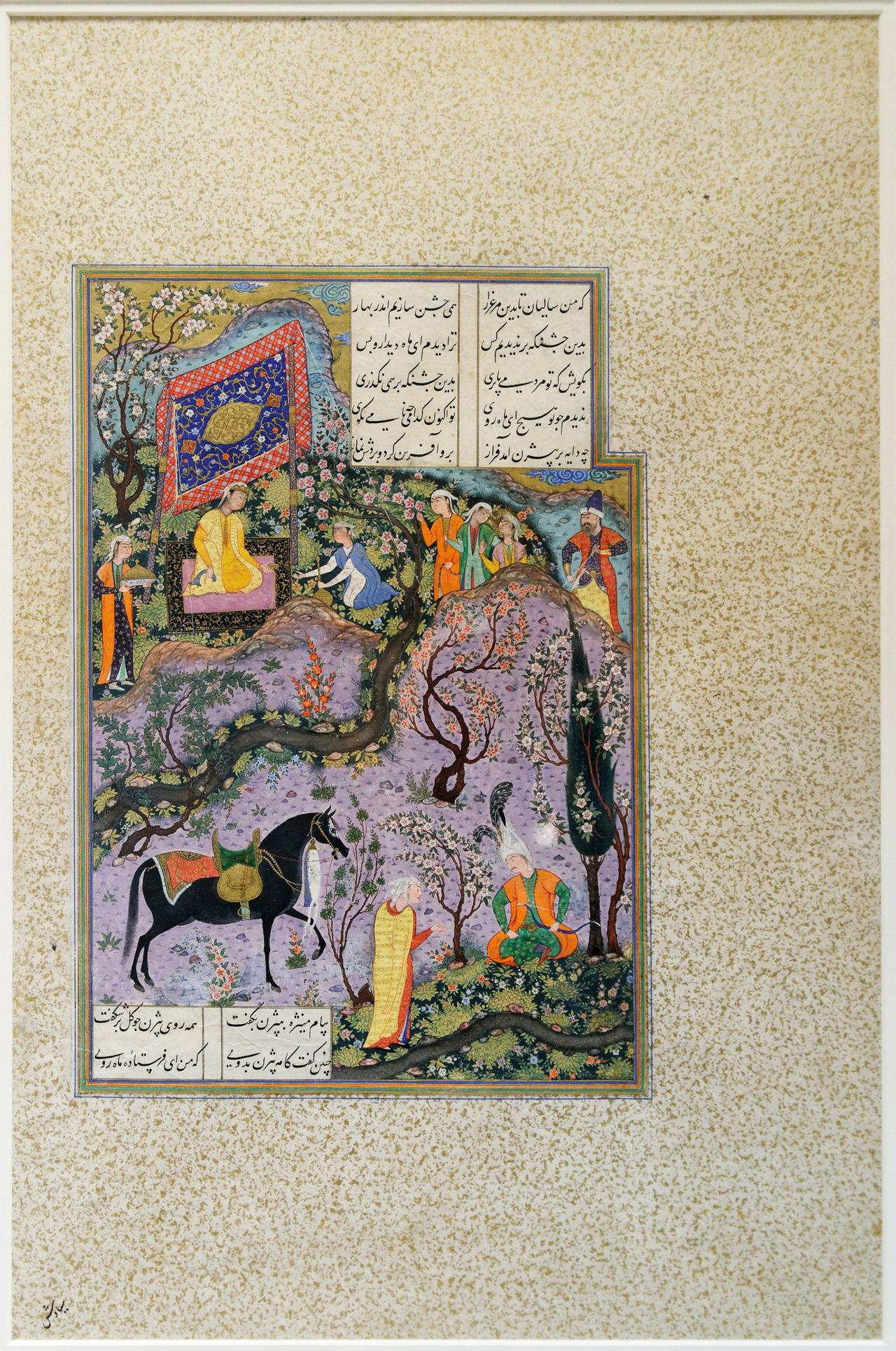
Bizhan (بیزن) is one of the noble heroes of Ferdowsi’s Shahnameh, celebrated for his bravery, loyalty, and tragic love story with Manizheh, the daughter of Afrasiyab, king of Turan. He is the son of Giv, one of Iran’s greatest warriors, and a descendant of the heroic house of Garshasp. Bizhan’s tale, known as Bizhan and Manizheh, is one of the most romantic and symbolic episodes in Persian epic literature. When wild boars ravage the land of Armenia, Bizhan volunteers to hunt them down. During this mission, he crosses into Turan and meets Manizheh.
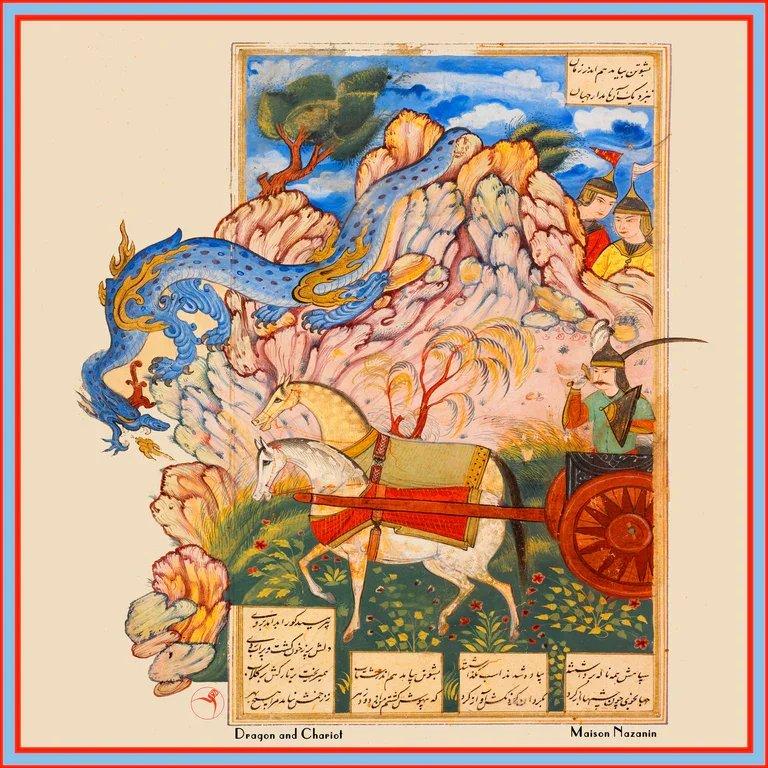
Esfandiyār (اسفندیار), also known as Esfandiar the Immortal, is one of the most tragic and heroic figures in Ferdowsi’s Shahnameh. He is the son of King Goshtasp (Vishtasb) of Iran and a prince renowned for his piety, valor, and divine favor. Raised as a champion of the faith and protector of Iran, Esfandiyār is destined for greatness — yet bound by fate to a sorrowful end. From a young age, Esfandiyār embodies righteousness and obedience. He conquers rebellious lands, defeats the armies of Turan, and spreads the teachings of Zoroaster.
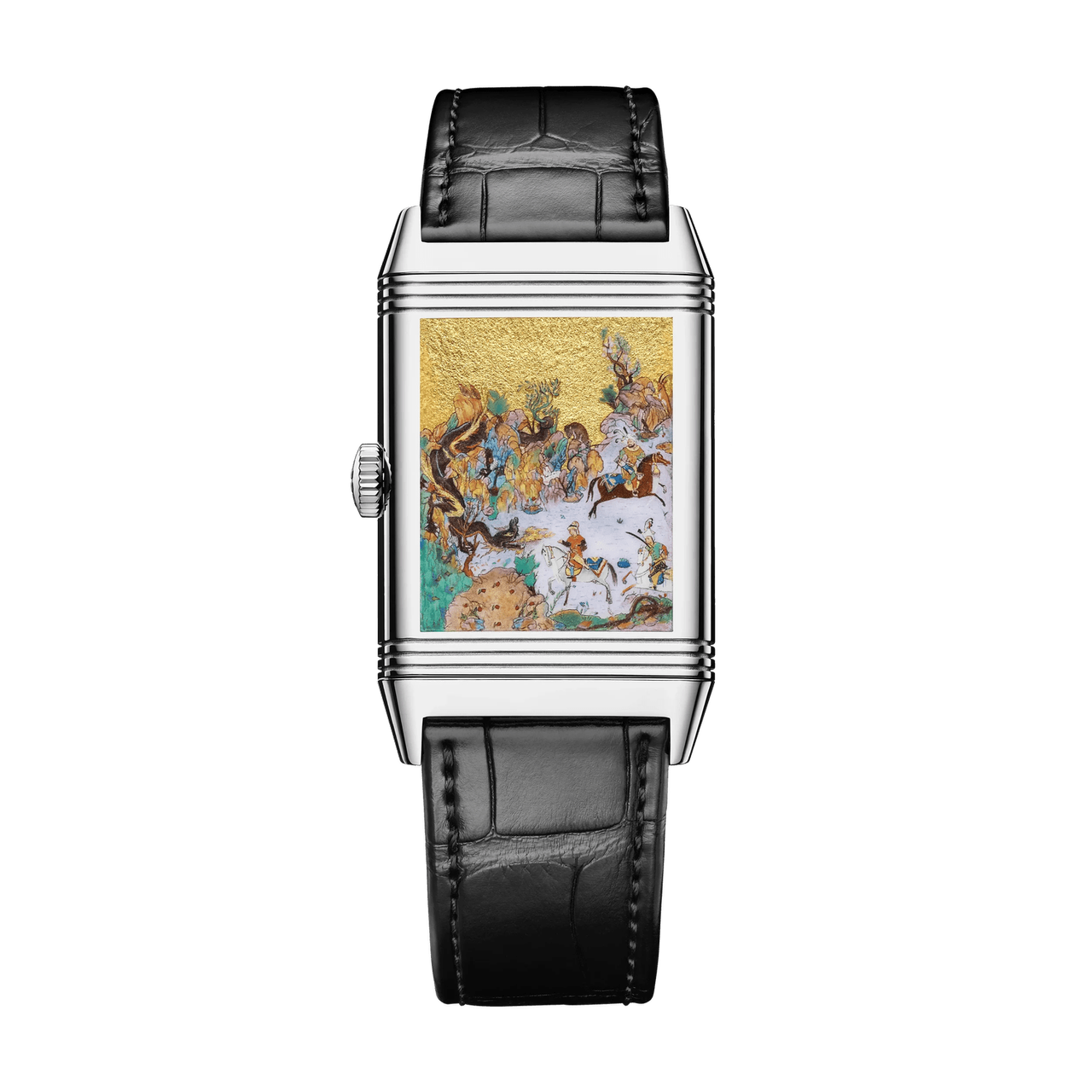
Feridun (فریدون) is one of the most revered kings in Ferdowsi’s Shahnameh, symbolizing justice, wisdom, and divine kingship. He is the heroic ruler who ends the tyrannical reign of Zahhāk, the serpent-shouldered demon king who oppressed the world for a thousand years. Feridun’s story represents the triumph of righteousness and the restoration of moral order in the world. Born during Zahhāk’s dark rule, Feridun is hidden as a child to protect him from the king’s wrath. He is raised in secret by a pious cowherd and nourished by the milk of a miraculous cow named Barmāyeh.
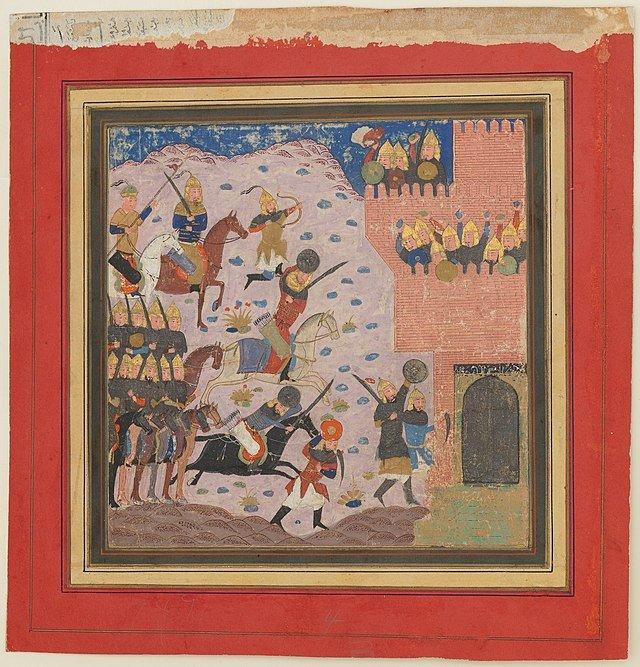
Gudarz (گودرز) is one of the most respected and enduring heroes in Ferdowsi’s Shahnameh, renowned for his wisdom, loyalty, and unshakable devotion to Iran. A veteran warrior and counselor to several Iranian kings—including Kay Kāvus, Kay Khosrow, and Lohrasp—Gudarz embodies the ideal of the noble elder: brave in battle, yet guided by reason and moral clarity. He is the son of Kashvad and the father of Giv and grandfather of Bizhan, forming one of the most heroic lineages in Persian epic tradition.
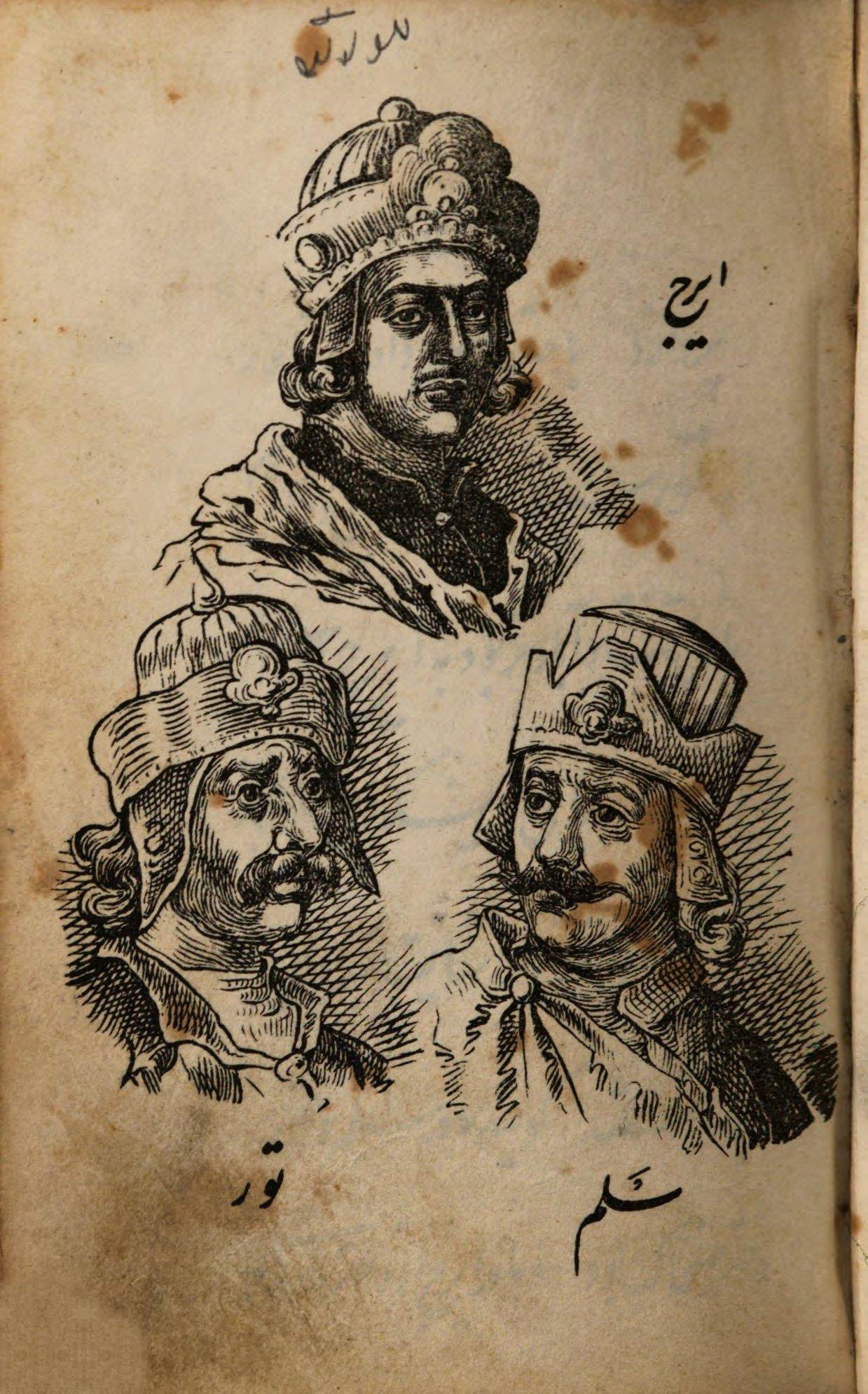
Iraj (ایرج) is one of the most noble and tragic figures in Ferdowsi’s Shahnameh, representing innocence, justice, and the spirit of Iran itself. He is the youngest son of the legendary king Feridun, who, after overthrowing the tyrant Zahhāk, divides his vast empire among his three sons: Salm, Tur, and Iraj. To Iraj, Feridun grants the heart of the realm—Iran, the most prosperous and blessed portion—because of his gentle nature and righteousness. This act, however, sows envy and hatred in the hearts of his elder brothers.

Jamshid (جمشید), one of the most illustrious yet tragic monarchs in Ferdowsi’s Shahnameh, embodies both the brilliance and downfall of human ambition. A descendant of the mythical Pishdadian dynasty, Jamshid ushers in a golden age marked by prosperity, innovation, and divine favor. Under his reign, humanity flourishes—disease and death are subdued, crafts and arts are perfected, and society becomes ordered and enlightened. Jamshid is credited with founding the Nowruz festival, symbolizing renewal and the harmony between mankind and creation.

Kāveh (کاوه), known as Kāveh the Blacksmith, is one of the most revered symbols of resistance and freedom in Ferdowsi’s Shahnameh. A humble yet fearless craftsman, Kāveh rises from the ranks of the oppressed to challenge the tyranny of Zahhāk, the serpent-shouldered king whose reign brings darkness and despair upon the world. When Zahhāk’s soldiers seize Kāveh’s sons as sacrifices to feed the king’s serpents, Kāveh defies royal command and publicly denounces the despot, becoming the voice of the people against centuries of oppression.

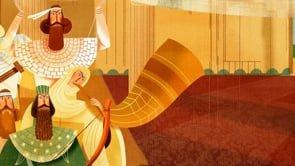
Kay Kāvus (کیکاووس) is one of the most complex and fascinating kings in Ferdowsi’s Shahnameh, embodying both grandeur and folly within the epic’s vision of kingship. A ruler of the Kayanian dynasty, he inherits a powerful realm and divine favor (farr-e izadi), yet his reign is marked by alternating moments of ambition, arrogance, and redemption. Driven by pride and curiosity, Kay Kāvus often pursues impossible goals that test the limits of human authority. In one of his most famous adventures, he attempts to ascend to the heavens on a throne lifted by eagles, seeking to rival divine power.

Manizheh (منیژه), the daughter of Afrasiyab, king of Turan, is one of the most tender and tragic figures in Ferdowsi’s Shahnameh. Her story, intertwined with that of the Iranian hero Bizhan, stands as one of Persian literature’s most enduring tales of love, loyalty, and defiance. When Bizhan, son of Giv, ventures into Turan on a hunting mission, he meets Manizheh, who instantly falls in love with him. Despite knowing the enmity between their nations, she bravely defies her father’s authority, shelters Bizhan in her palace, and unites with him in secret.

Rakhsh (رخش), the legendary steed of Rostam, is one of the most celebrated animals in Ferdowsi’s Shahnameh and a symbol of strength, loyalty, and heroic companionship. His name means “shining” or “brilliant” in Persian, reflecting his radiant spirit and exceptional qualities. Chosen by Rostam himself after recognizing his unmatched power and courage, Rakhsh is no ordinary horse—he is a creature of almost supernatural endurance and intelligence, perfectly mirroring the might and nobility of his master. From the moment Rostam mounts Rakhsh, their bond becomes inseparable.
Rostam, the legendary hero of Ferdowsi’s Shahnameh and an enduring symbol of Iranian national identity, embodies unparalleled strength, courage, and moral integrity. Bearing the epithet pil-tan (“elephant-bodied”) for his immense power and stature, he stands as the mightiest champion of Iran, defending the realm through countless trials. His unwavering loyalty to his often ambiguous suzerain, Kay Kāvus, reflects the complex bond between heroism and duty, as Rostam serves both as protector of the throne and moral conscience of the kingdom.

Rudabeh (رودابه) is one of the most noble and graceful women in Ferdowsi’s Shahnameh, celebrated for her beauty, wisdom, and courage. A princess of Kabul and descendant of the tyrant Zahhāk, Rudabeh’s story is one of love that transcends lineage, enmity, and fate. Her romance with Zāl, the white-haired hero of Iran, forms one of the most beautiful and enduring love tales in Persian epic tradition. When Rudabeh hears of Zāl’s valor and virtue, she falls in love with him, despite her father’s fierce opposition due to Zāl’s Iranian heritage and the ancient feud between their families.
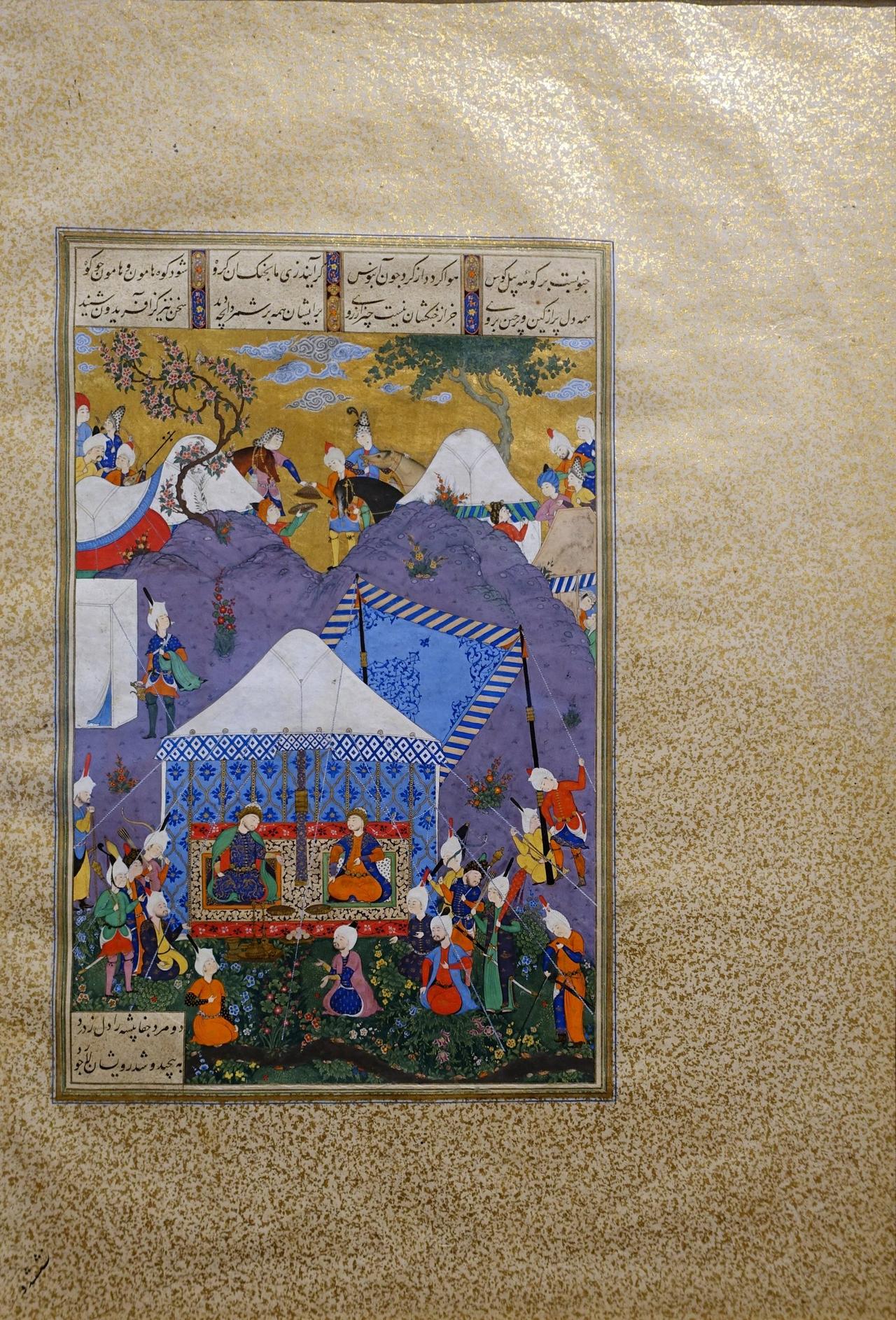
Salm (سلم) is one of the three sons of the legendary king Feridun in Ferdowsi’s Shahnameh, representing the tragic embodiment of envy, pride, and fraternal betrayal. When Feridun divides his vast empire among his sons, he grants Rome and the western lands to Salm, Turan and the northeast to Tur, and Iran, the most prosperous and sacred portion, to the youngest, Iraj, whose wisdom and humility most please him. This decision ignites jealousy in Salm and Tur, who perceive Iraj’s inheritance as a slight against their seniority. Consumed by envy, Salm conspires with Tur to destroy their brother.
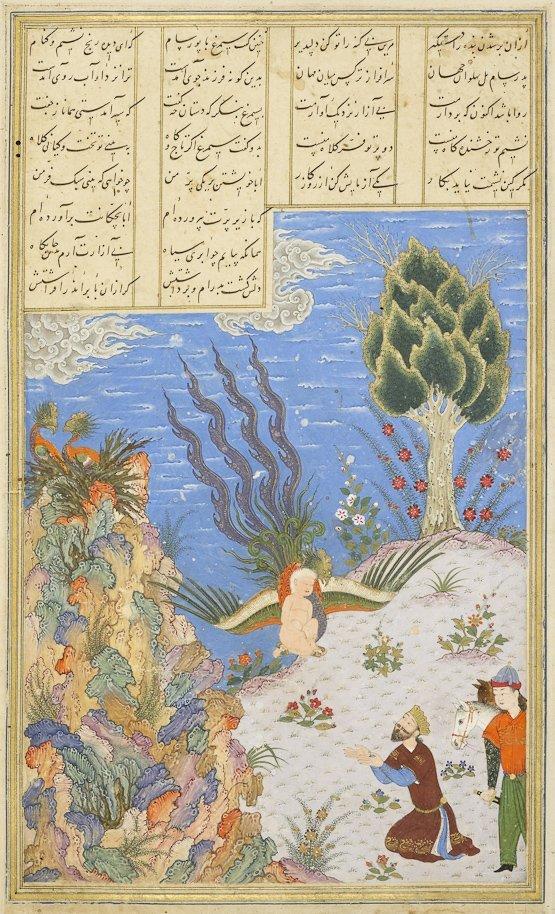
Sām (سام), also known as Sām Narimān (سام نریمان), is one of the earliest and most noble heroes in Ferdowsi’s Shahnameh, celebrated for his valor, wisdom, and unwavering loyalty to the Iranian crown. A descendant of the legendary hero Garshāsp, Sām serves as the faithful general and protector of Iran under several kings, including Manuchehr and Nowzar, and stands as a pillar of stability during the early dynastic struggles of the epic.
Simurgh (سیمرغ) is one of the most majestic and mystical beings in Ferdowsi’s Shahnameh, embodying divine wisdom, compassion, and the link between heaven and earth. Often depicted as a colossal, radiant bird with feathers that shimmer like the sun, the Simurgh dwells upon the mythical Mount Alborz, serving as a guardian spirit and a symbol of transcendence and healing. The Simurgh’s most celebrated role is in the story of Zāl, the albino infant abandoned by his father Sām for his unusual appearance.

Siyâvash (سیاوش) is one of the most tragic and noble figures in Ferdowsi’s Shahnameh, remembered as the embodiment of innocence, purity, and moral integrity. The son of Kay Kāvus, king of Iran, and raised under the mentorship of the hero Rostam, Siyâvash grows into a prince renowned for his beauty, wisdom, and unshakable devotion to truth and justice. His story is one of virtue tested by treachery. When falsely accused by his stepmother Sūdābeh, who seeks to seduce him, Siyâvash chooses to prove his innocence through a trial by fire.
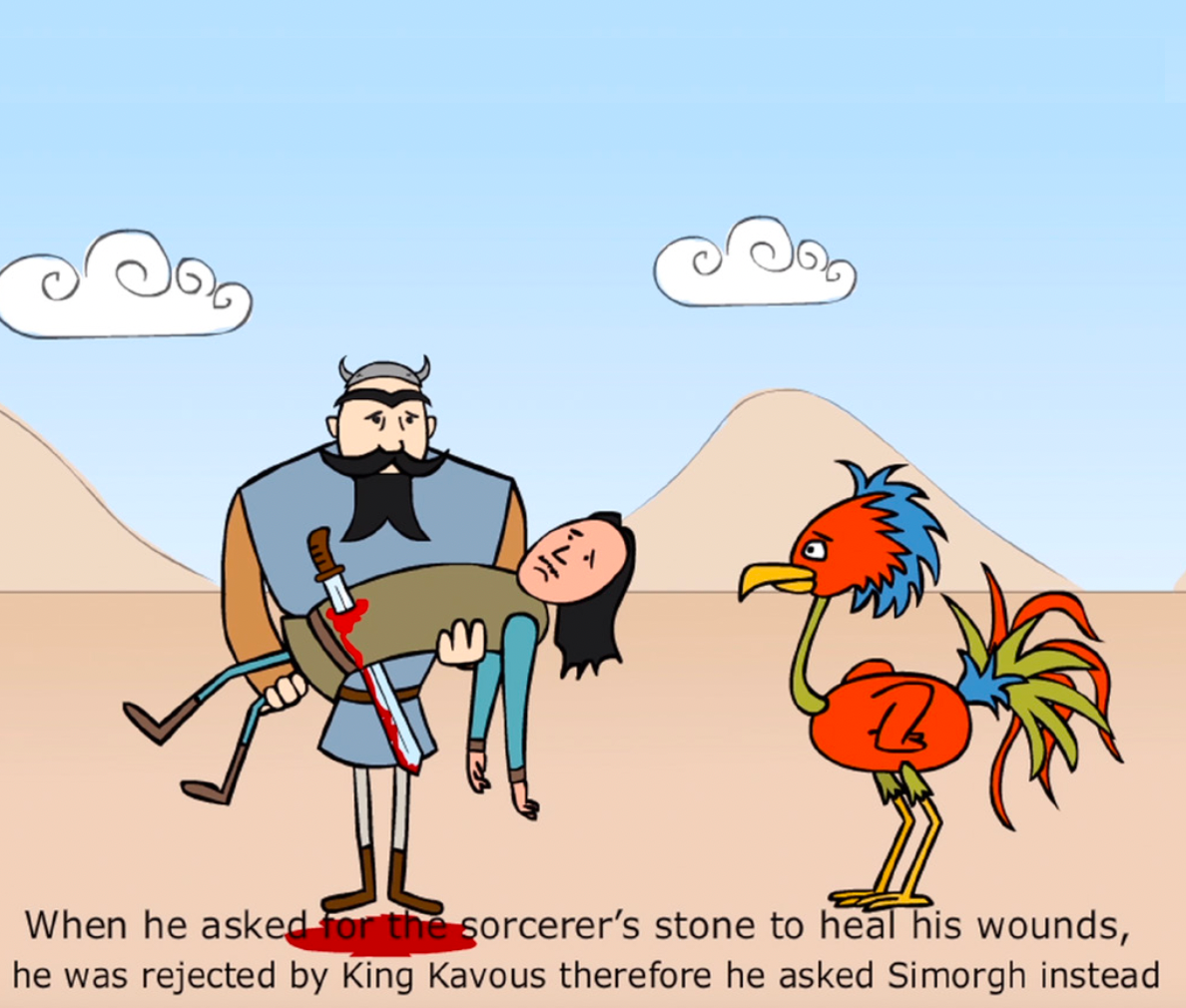
Sohrāb (سهراب) is one of the most poignant and tragic figures in Ferdowsi’s Shahnameh, remembered as the symbol of youthful courage, innocence, and the cruelty of fate. He is the son of Rostam, Iran’s greatest hero, and Tahmineh, the princess of Samangān. Born of a secret union, Sohrāb grows up knowing his father’s name and legacy but never meeting him. From an early age, he inherits Rostam’s immense strength, valor, and sense of honor, making him a warrior of extraordinary promise.

Sūdābeh (سودابه) is one of the most complex and tragic female figures in Ferdowsi’s Shahnameh, remembered as both a symbol of destructive passion and a cautionary embodiment of betrayal and moral downfall. She is the wife of Kay Kāvus, king of Iran, and the stepmother of the noble prince Siyâvash, whose purity and integrity starkly contrast with her deceitful nature. When Siyâvash returns from training under Rostam, Sūdābeh becomes infatuated with his youth and beauty. Overcome by forbidden desire, she attempts to seduce him, but the virtuous prince rejects her advances with dignity.

Tahmineh (تهمینه) is one of the most graceful and emotionally resonant figures in Ferdowsi’s Shahnameh, remembered for her love, courage, and maternal devotion. The daughter of the king of Samangān, she is introduced in the story of Rostam and Sohrāb, where her intelligence and passion shape one of Persian literature’s most moving tales. When Rostam, Iran’s greatest hero, loses his horse Rakhsh near Samangān, Tahmineh seeks him out in secret.
Tur (تور) is one of the three sons of the legendary king Feridun in Ferdowsi’s Shahnameh, representing the ancestral patriarch of Turan, the realm that becomes Iran’s eternal rival. Alongside his brothers Salm and Iraj, Tur is a central figure in the mythic origins of the Iranian world, embodying the destructive consequences of envy, pride, and fraternal conflict.
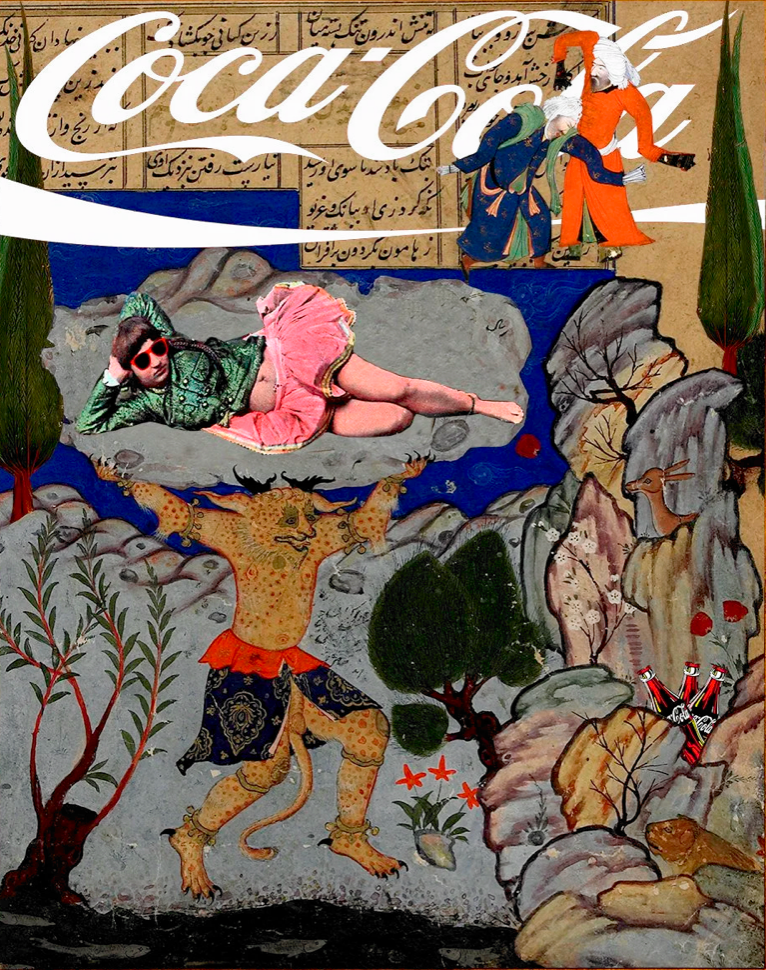
The White Dīv (دیو سپید), or Div-e Sepid, is one of the most formidable and symbolic antagonists in Ferdowsi’s Shahnameh. As the king of the demons (divs) dwelling in the mountains of Māzandarān, the White Dīv represents not only a monstrous enemy of Iran but also the embodiment of darkness, ignorance, and chaos opposing the divine order upheld by heroes like Rostam. When King Kay Kāvus foolishly invades Māzandarān, he and his army are captured and blinded by the sorcery of the White Dīv.
Zahhāk (ضحّاک), also known as Zahhāk the Serpent King (Mardoush, “the snake-shouldered”), is one of the darkest and most enduring villains in Ferdowsi’s Shahnameh. He embodies the triumph of evil, tyranny, and moral corruption — the absolute antithesis of divine kingship and justice. His story, deeply rooted in ancient Iranian mythology, reflects the eternal struggle between good and evil, light and darkness. Originally an ambitious Arab prince, Zahhāk is seduced by Ahriman (the spirit of evil), who tempts him with power.
Zāl (زال), also known as Zāl-e Zar (“Zāl the Golden-Haired”), is one of the most revered and wise heroes in Ferdowsi’s Shahnameh. Born to the noble warrior Sām, Zāl is marked at birth by his striking white hair — a sign that causes his father to believe the child is cursed. Heartbroken yet bound by superstition, Sām abandons the infant on Mount Alborz, where destiny intervenes through the compassion of the Simurgh, the divine bird of wisdom.