Artists
Painters, filmmakers, performers, and scholars whose work keeps the Shahnameh alive for new audiences and new eras.
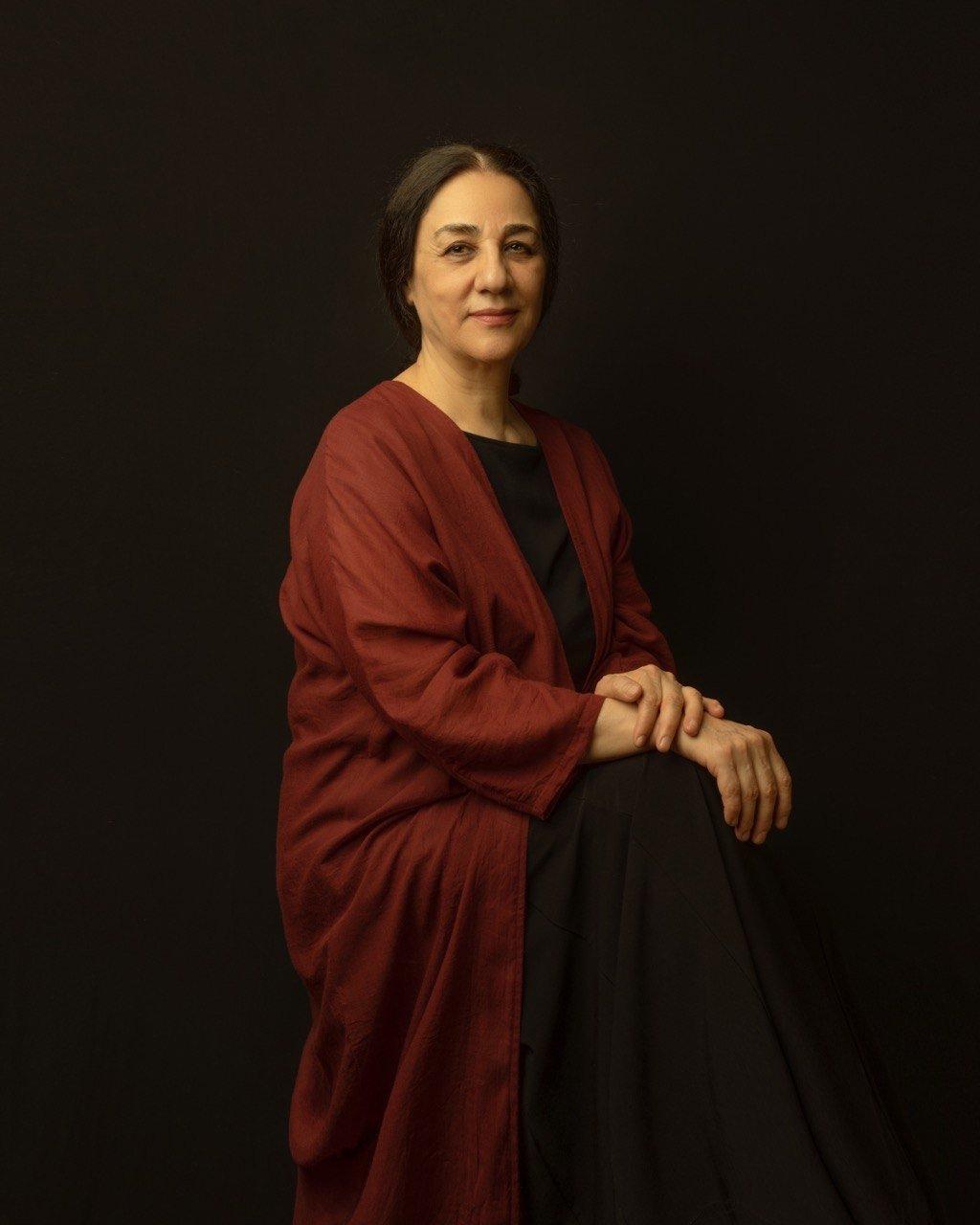
Farah Ossouli
Farah Ossouli (b. 1953, Zanjan) is an Iranian painter, based in Tehran. She is known for her modern interpretation of Persian miniature. Often her work draws on issues related to women's life, Persian poetry, and classical western art. Ossouli graduated in 1971 from the Girls' School of Fine Arts, Tehran. She earned a B.A. in graphic design from the University of Tehran in 1977. In 1975, Ossouli married Khosrow Sinai.
All Artists
24 artists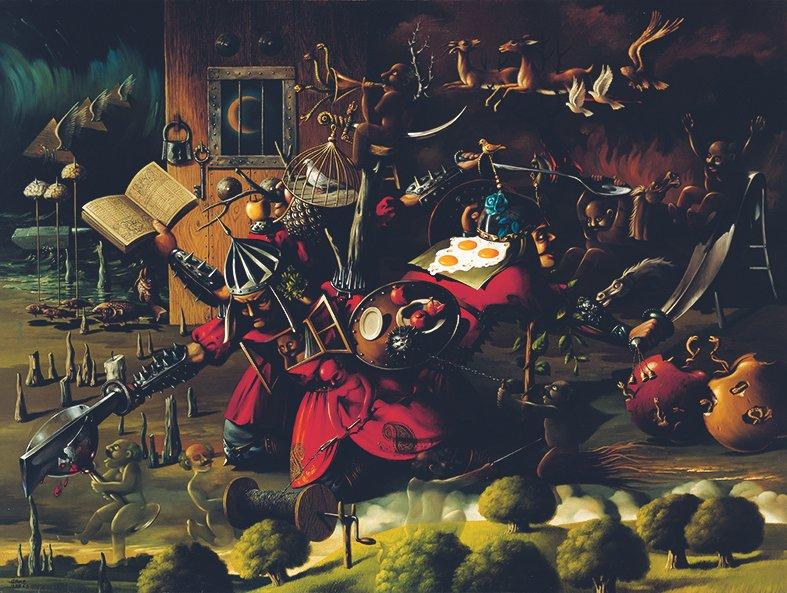
Ali Akbar Sadeghi is an Iranian painter, illustrator and animator whose work draws on Persian miniature, coffee-house painting and the imagery of the Shahnameh.
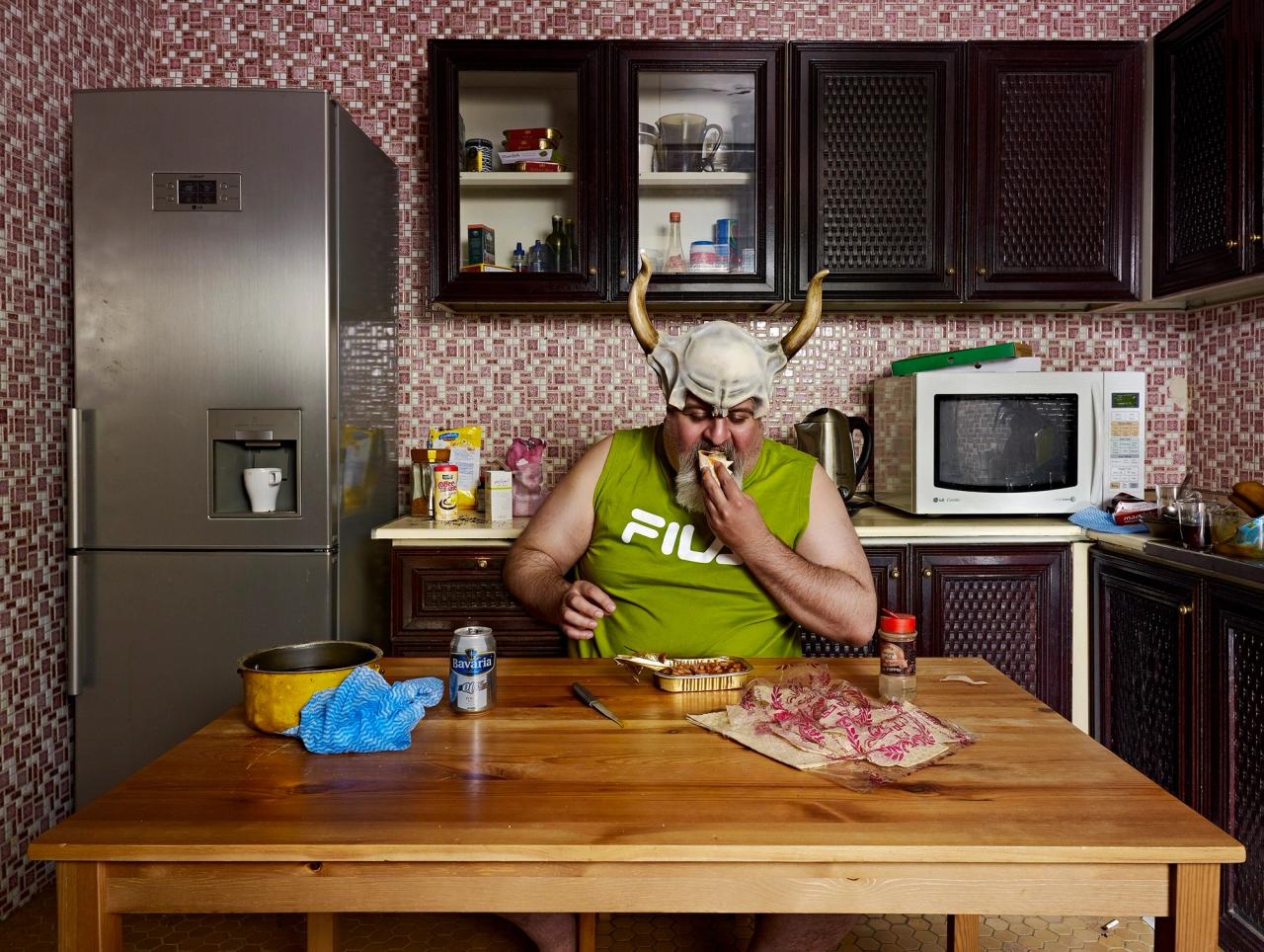
Alireza Fani is an Iranian photographer and visual artist. His “I’m The One Who…” series reworks Shahnameh heroism through staged contemporary portraits.

Bentsion Kimyagarov (1920–1979) was a Tajik-Soviet film director born in Samarkand. At Tajikfilm he devoted much of his career to bringing Ferdowsi’s epic to the screen, directing a celebrated trilogy of Shahnameh films — The Banner of the Blacksmith (1961), Rustam and Suhrab (1971) and The Legend of Siyavush (1976) — that remain landmarks of Central Asian cinema.
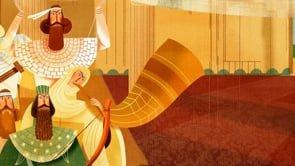
Chouette Films produces short films and animations on the characters and stories of the Shahnameh for the archive.
Farah Ossouli (b. 1953, Zanjan) is an Iranian painter, based in Tehran. She is known for her modern interpretation of Persian miniature. Often her work draws on issues related to women's life, Persian poetry, and classical western art. Ossouli graduated in 1971 from the Girls' School of Fine Arts, Tehran. She earned a B.A. in graphic design from the University of Tehran in 1977. In 1975, Ossouli married Khosrow Sinai.

Gizella Varga Sinai (b. 1944) was born in Czestochowa, Hungary, moved to Austria, and studied at the Vienna School of Decorative Arts, where she received a BA in art teaching. There, she met Khosrow Sinai, an Iranian filmmaker, and married him, and in 1967 she came to Iran with her husband and settled in Tehran. A year after that, Gizella's first solo exhibition was in Tehran's Modern Art Gallery. In 1978, she won the "Mirror in the Mirror" exhibition prize. Gizella taught at Tehran's contemporary studio between 1981 and 1987, then taught art in the schools of the German Embassy for 25 years.

Kaveh Golestan (1950–2003) was an Iranian photojournalist and artist. His “Az Div o Dad” series turns the demons of the Shahnameh on contemporary Iran.

Khadim Ali (born in 1978, Quetta, Pakistan) is from a family of refugees from Bamiyan Province in Afghanistan, who belonged to the Hazara ethnic minority. He grew up in Pakistan close to the Afghanistan border. As a child he was exposed to the beauty of Ferdowsi’s Persian epic 10th-century poetic work Shahnameh (Book of Kings), which his grandfather sung, and the miniature paintings that illustrated it. He studied Mughal miniature painting at the National College of Arts in Lahore, and calligraphy at Tehran University in Iran.

Kiarash Khalili (born 1989 in Tehran) is an Iranian artist who found his interest in the graphic design applications when he was 12 years old. His passion for music and visuals led him towards creating digital arts. He got his masters degree, but he chose his career in his favourite field, art.
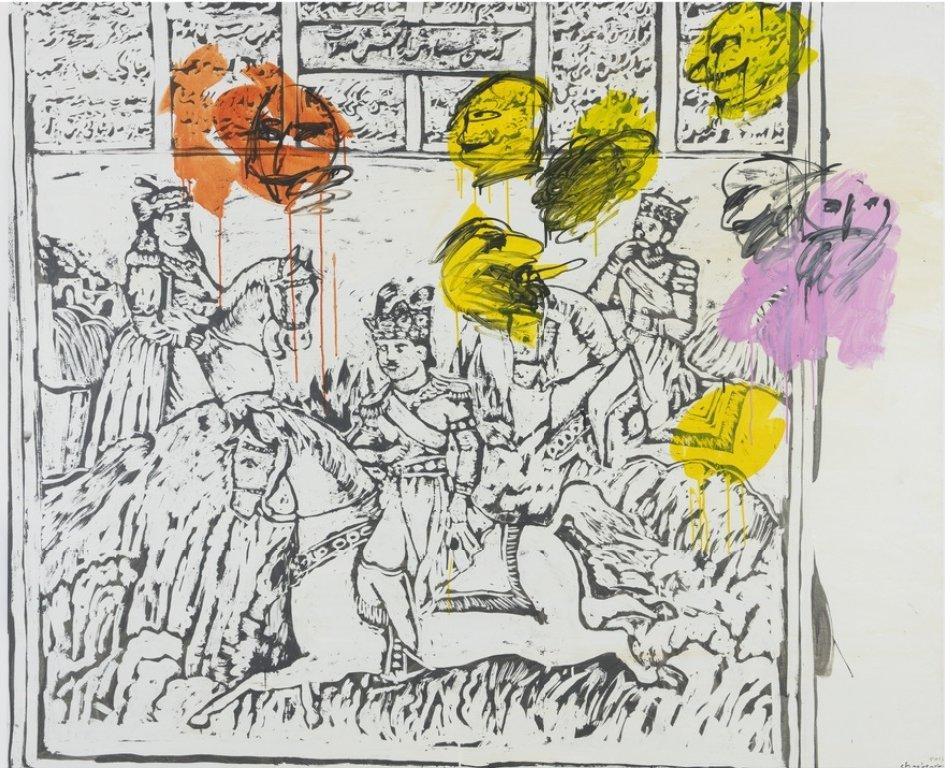
Mostafa Choobtarash is an Iranian painter whose untitled 2012 canvases rework figures from the Shahnameh.
Nasim Davari (born in Tehran in 1981) received her B.A. degree in Painting Art at the University of Tehran in 2005 and M.A. in Graphic Art in Bangalore in India in 2009. She is practicing in painting, photography, and illustration, member of several group exhibitions and had a few solo exhibitions in Tehran from 2000-2006, moved to India for MVA in Printmaking and during that focused on Painting, Printmaking and cooperated in two experimental music albums. Member of different workshops, and group exhibitions in Bangalore, Kolkata, Delhi, Tehran. After 5 years moved back to live and work in Iran.
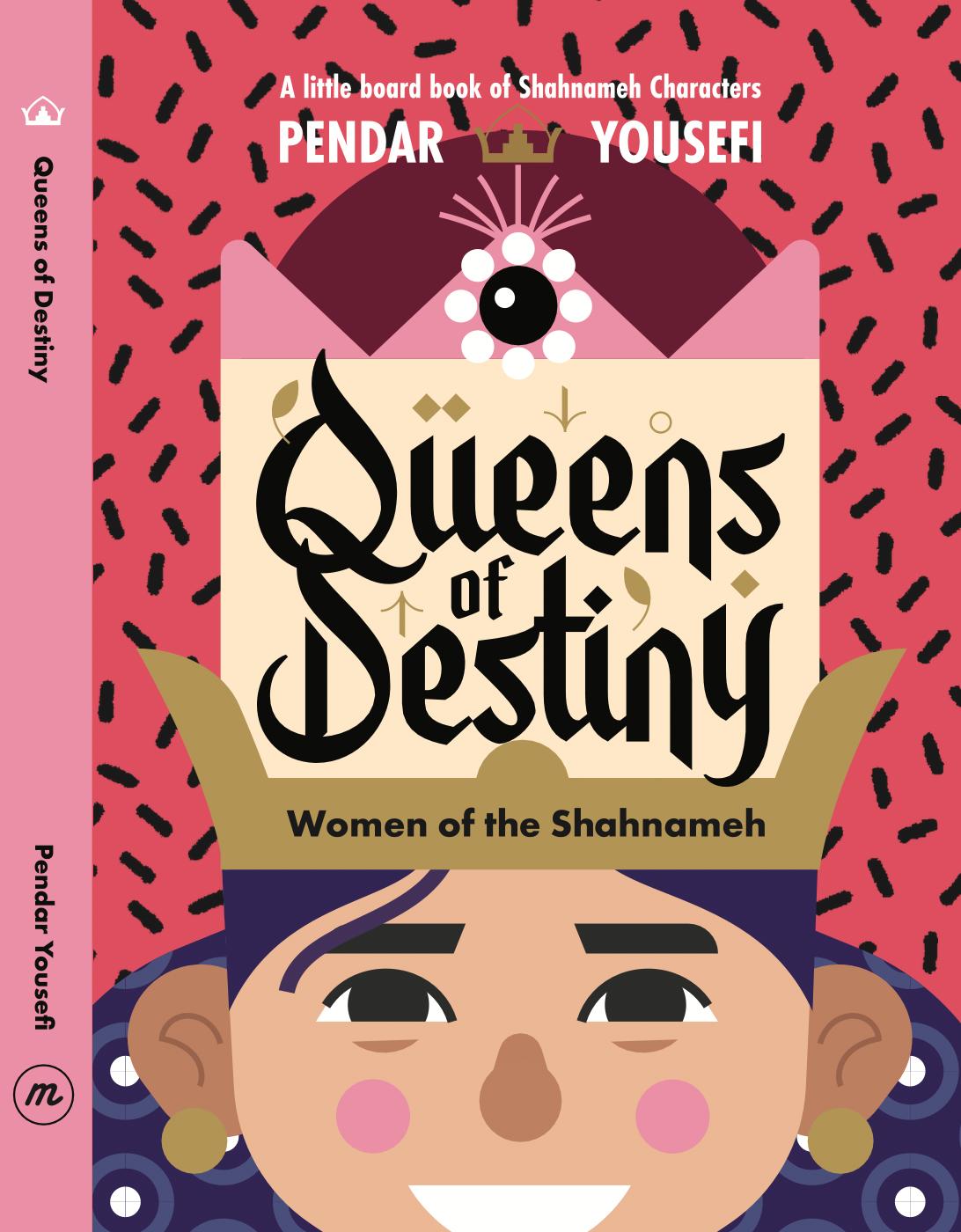
Pendar Yusefi is an illustrator and author of Shahnameh-inspired children’s board books introducing its characters and kings to young readers.

Pouya Afshar is an alumnus from the California Institute of Arts Character Animation department and is a graduate of University of California Los Angeles Graduate Department of Film and Television focusing in Animation and Digital Media. He has exhibited his work as a visual artist throughout the United States and the Middle East.

Rabee Baghshani emerges as a vibrant addition to the Iranian art scene. She hails from Mashhad, Iran, where she currently resides and passionately pursues her artistic endeavors. Specializing in digital collage, Baghshani's work is imbued with a distinctive flair, and color serves as a poignant reminder of the rich hues found in ancient Persian paintings. In Baghshani's digital compositions, one witnesses a captivating fusion of East and West, a testament to her ability to seamlessly weave together her country's cultural heritage with contemporary global pop culture.
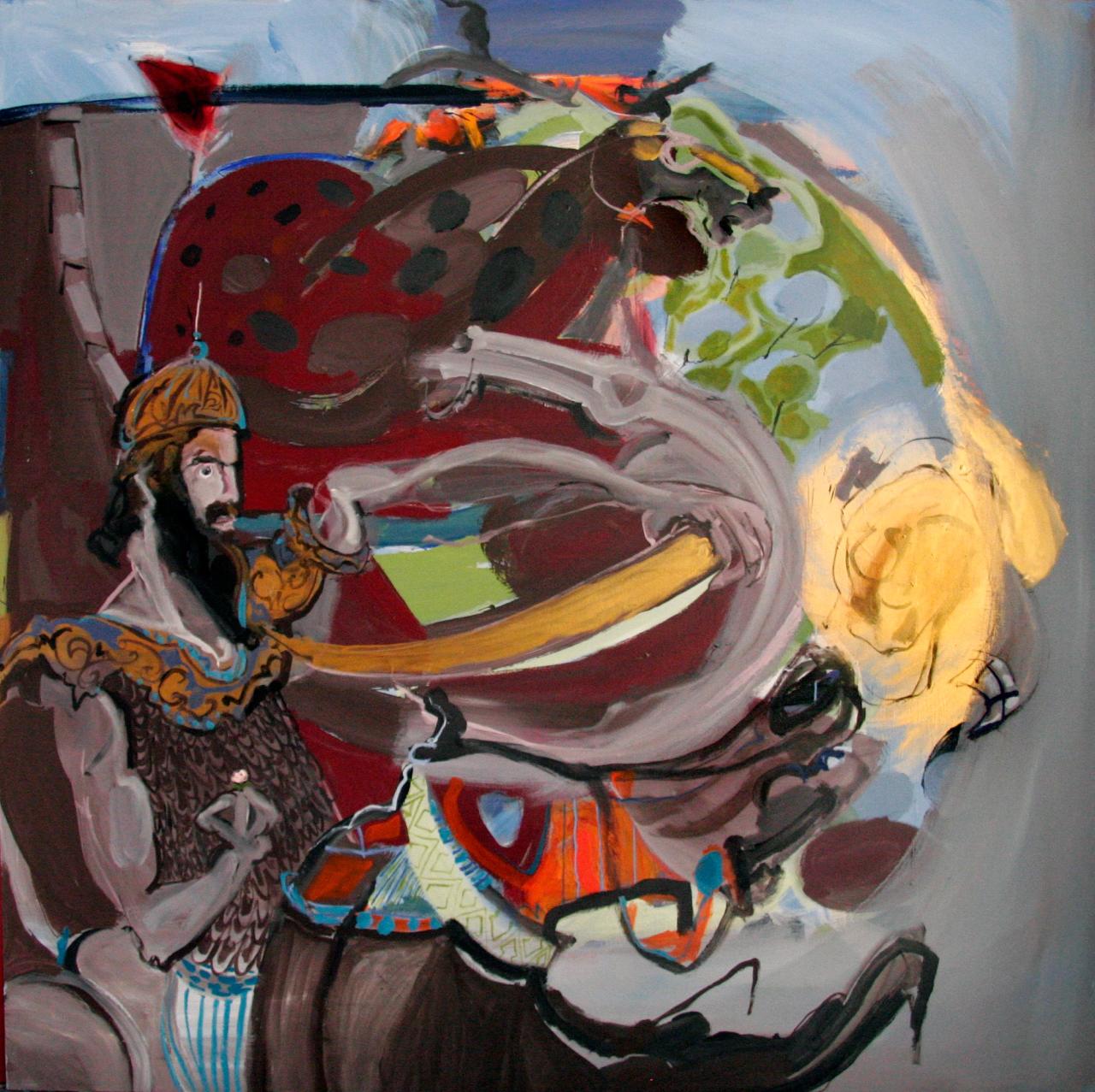
Rokni Haerizadeh is an Iranian painter based in Dubai. His large canvases, including “Razm” (2006), stage the battles of the Shahnameh as contemporary spectacle.
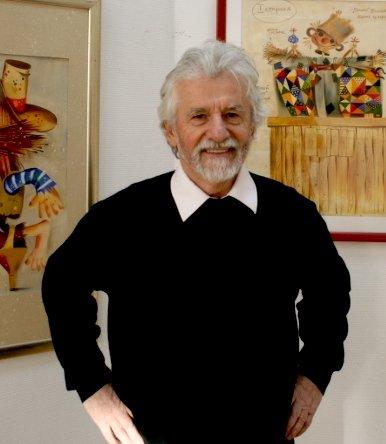
Sergei Feofanov (born in 1950, Moscow) worked as a senior stage and graphic designer for the editorial board at the Central Channel of the National Russian Television (programmes for children) between 1978 and 1987. He also worked as a stage designer at children’s theatres in Russia and abroad. In 1986 he was the director of the project design of the Opening ceremony of the Goodwill Games (Moscow) and in 1987 of the National Days of the USSR (India). He is the author of dozens of animated filmstrips.

Shadi Ghadirian (born 1974) is an Iranian contemporary photographer. Her work is influenced by her experiences as a Muslim woman living in contemporary Iran, but her work also relates to the lives of women throughout the world. Through her work, she critically comments on the pushes and pulls between tradition and modernity for women living in Iran, as well as other contradictions that exist in everyday life. She explores the topics of censorship, religion, modernity, and the status of women. Ghadirian gained international recognition through the series Qajar and Like Every Day in 1998 and 2001.

Shadi Rezaei (b. 1988) is a London-based interdisciplinary artist, creative art director, and curator who opens up a philosophical depth within her work, propelling it into the realms of the sublime. She received her BA in Graphic Design from the University of Art in Tehran, her MFA in Fine Arts from UAL, Chelsea College of Arts and Design in London, 2017. Her passion for the visual arts comprises an exploration of the relationships between tradition and contemporary art. Her works bring a series of mutable and spontaneous gestures that negotiate the relationship between stability and uncertainty.
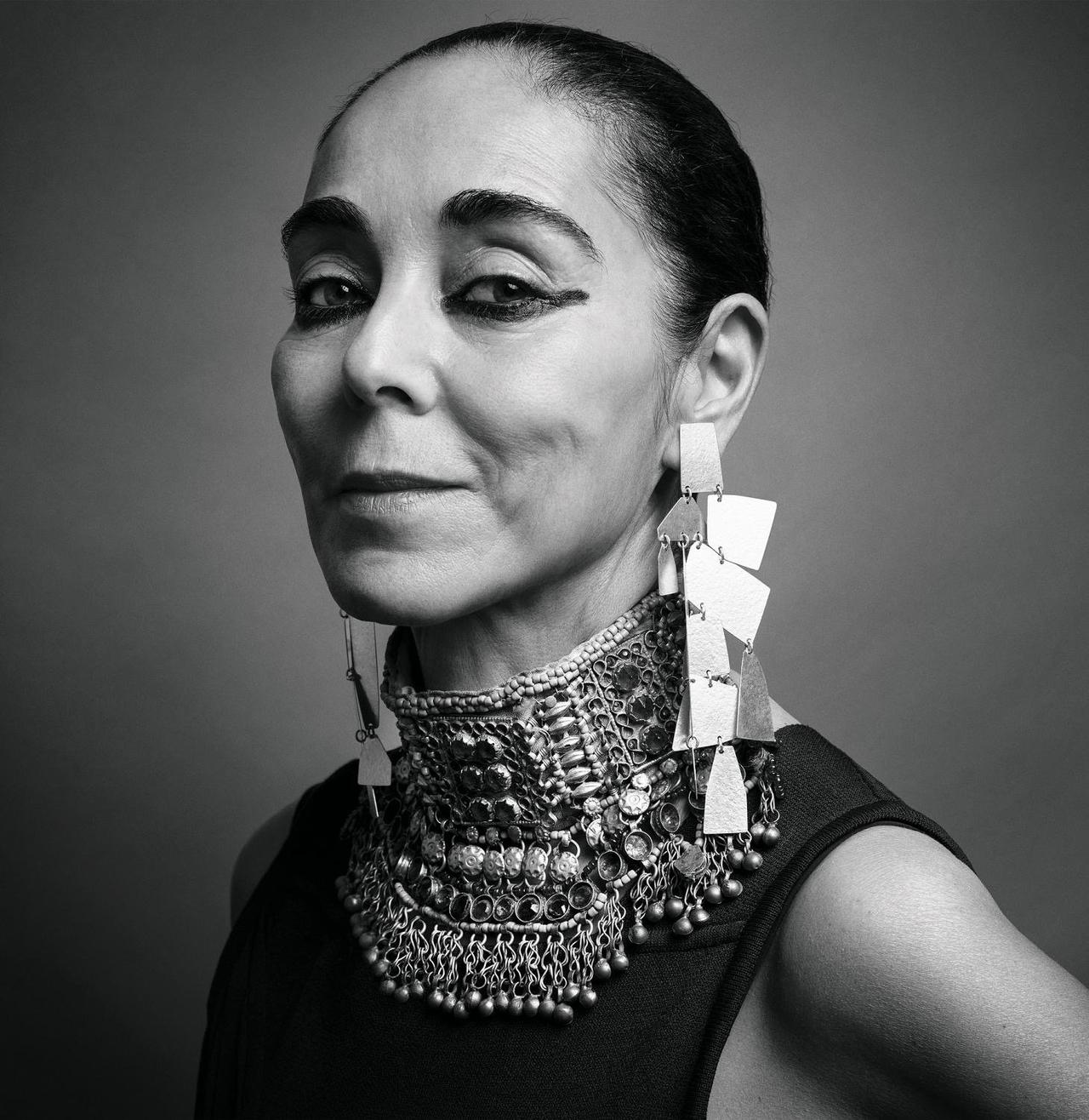
Shirin Neshat (b. 1957) is an Iranian photographer and visual artist who lives in New York, known primarily for her work in film, video and photography. Her artwork centers on the contrasts between Islam and the West, femininity and masculinity, public life and private life, antiquity and modernity, and bridging the spaces between these subjects. Neshat is the fourth of five children of wealthy parents, brought up in the religious city of Qazvin, under a "very warm, supportive Muslim family environment." Neshat's father was a physician and her mother a homemaker.

Shoja Azari (b. 1957) is an Iranian-born visual artist and filmmaker based in New York. He is known for his films and multimedia installations. Azari was born in Shiraz, trained as a filmmaker in New York in the 1970s before returning to Iran during the Iranian revolution in 1979. He then permanently returned to the U.S. In 1997, he first met artist Shirin Neshat when she was assembling a team to create her first video, “Turbulent”. Azari and Neshat became artistic and romantic partners.

Siamak Filizadeh (born in 1970, Tehran) received his high school diploma in Art in 1990 and graduated from Tehran Azad University in Graphic Design with BA degree in 1995. From 1988, Siamak started his career as graphic designer, working in different fields of designing, advertising, branding, and visual arts. He has been appointed as the Art Director and Graphic Designer for a number of large institutions and International festivals, and has been awarded numerous prizes for design of posters and books.
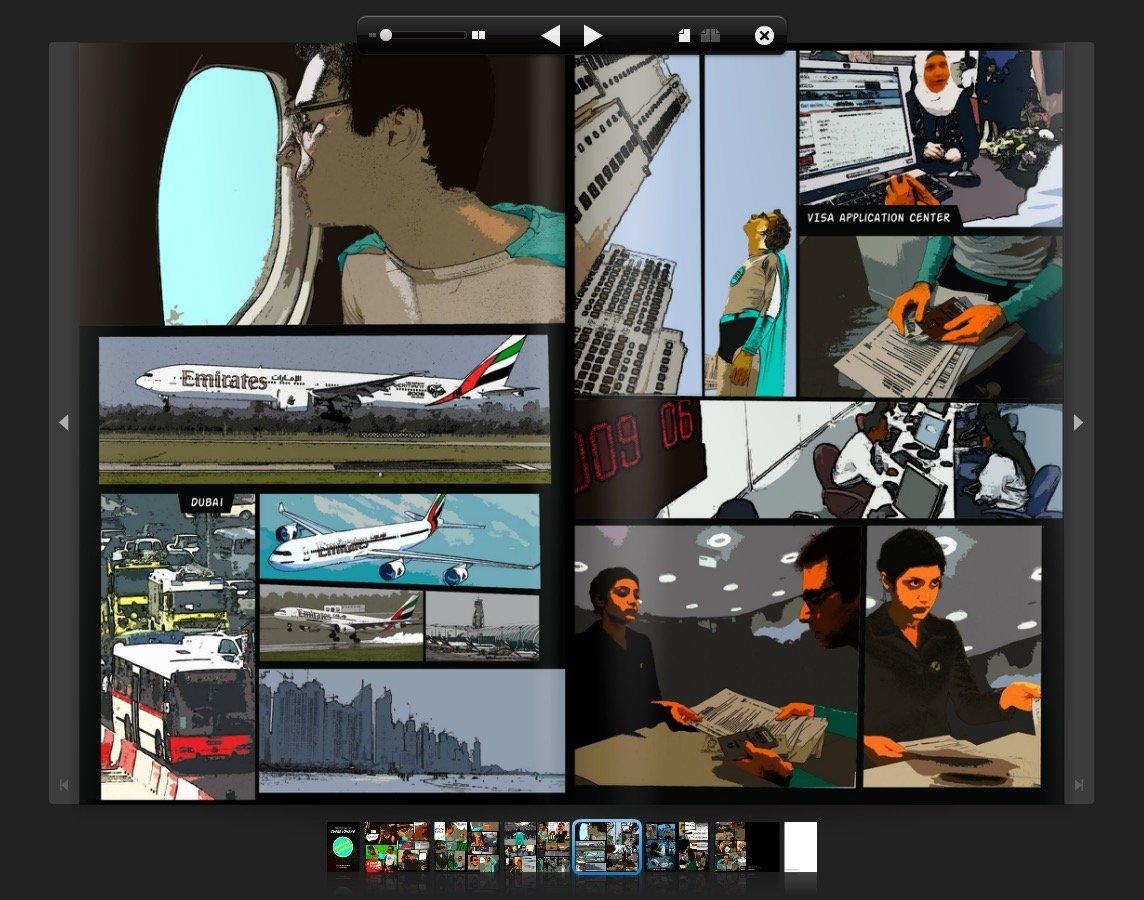
Sohrab Kashani is a Tehran-based artist and curator. His ongoing “Supersohrab” series recasts the Shahnameh hero as a comic-strip superhero.

Veronica Shimanovskaya (born in 1961, St Petersburg) is an award-winning multidisciplinary artist grounding herself in metaphysics. Veronica’s main themes are pure subjectivity and cultural contextuality. Her practice includes conceptual art, painting, sculpture, installation, and moving image. She is based in the USA and exhibits internationally. She has shown her work at the London Art Week, Thessaloniki Art Week, 57th and 58th Venice Biennale, Oaxaca Contemporary Art Museum (MACO), Niles Essanay Silent Film Museum, and more.

Vyacheslav Zabelin, or VIK (1953-2016) was a Russian nonconformist artist, a poet and a prominent representative of St. Petersburg underground art movement of the 1970-80s, one of the founders of the Alipy art group and the Association of Experimental Fine Arts.